
Now that we understand SEO and its different types, let’s focus on On-Page SEO. On-Page SEO is the process of optimizing the elements on your website that you can control directly. Its main goal is to help search engines understand your content better and improve the user experience.
A well-optimized page can rank higher in search results, attract more relevant visitors, and increase organic traffic (free traffic that comes from search engines).
Why Is On-Page SEO Important?
On-Page SEO helps search engines understand what your page is about and whether it matches a user’s search query. It also improves the experience of visitors by making content easier to read and navigate.
Some major benefits of On-Page SEO include:
– Better visibility in search results
– Higher organic traffic (free visitors from Google)
– Improved user experience
– Better search rankings
– Increased chances of appearing in AI-powered search results
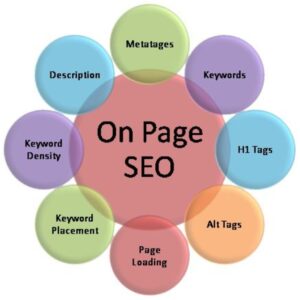
Key Elements of On-Page SEO
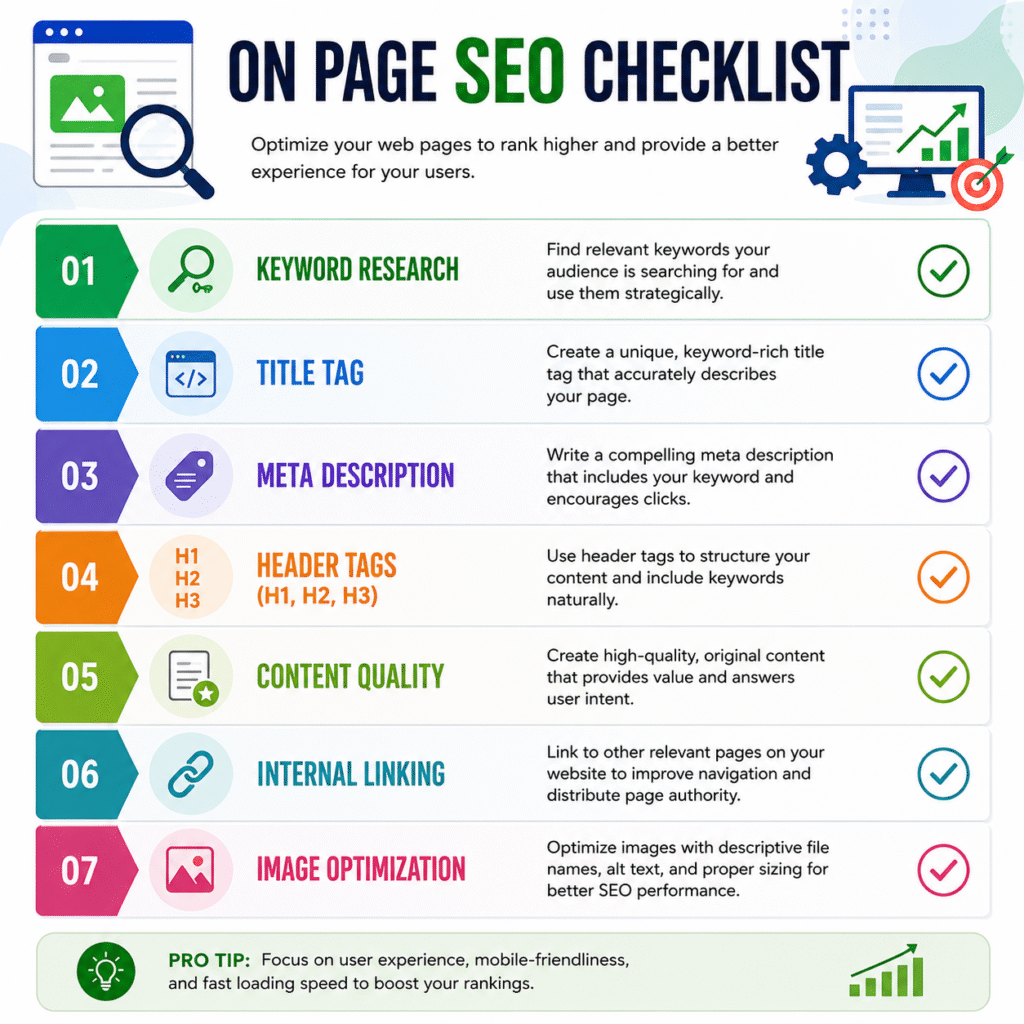
1. Keyword Research
Keyword research is the foundation of On-Page SEO. Keywords are the words or phrases people type into search engines when looking for information.
➜ Keyword: A word or phrase users search for on Google.
For example, if someone searches for “best digital marketing agency,” that phrase becomes a keyword.
2. Title Tag
2. Title Tag
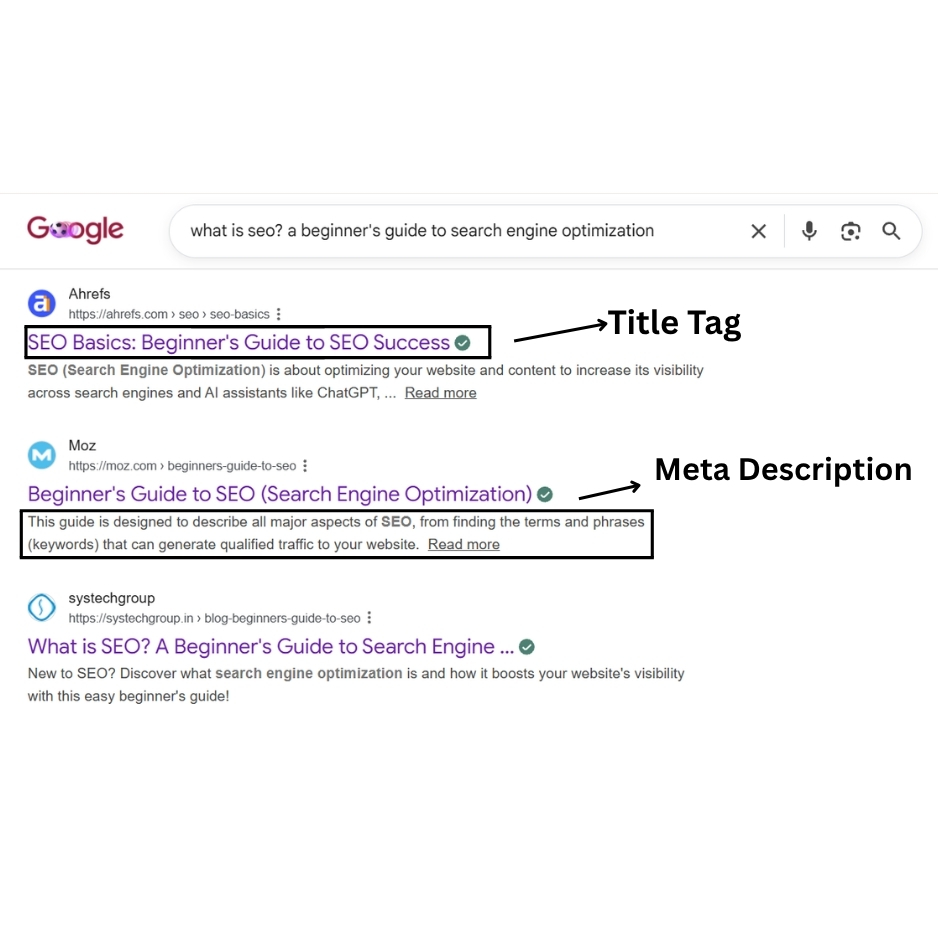
A title tag is the headline that appears in search engine results. It tells both users and search engines what the page is about.
➜ Title Tag: The clickable title shown in Google search results.
Keep your title short, clear, and relevant to the page content.
3. Meta Description
3. Meta Description
A meta description is a short summary that appears below the title in search results.
➜ Meta Description: A brief description of a webpage shown in Google search results.
A good meta description encourages users to click on your page.
4. Header Tags (H1, H2, H3)
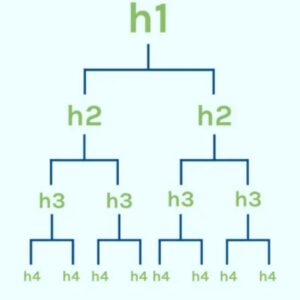
Header tags help organize content into sections and improve readability.
➜ Header Tags: Headings used to structure content on a webpage.
Use one H1 heading for the main title and H2 or H3 headings for subtopics.
5. Content Quality
Content is one of the most important ranking factors. Your content should be useful, informative, and answer the user’s questions.
➜ Content: The text, images, videos, and information available on a webpage.
Avoid copying content from other websites and focus on providing real value.
Google focuses on original and valuable content. Therefore, focus on creating useful and original content for your website, and avoid AI-generated or copied content that does not provide unique value to users.
6. URL Structure
A clean URL helps users and search engines understand the page topic.
➜ URL: The web address of a webpage.
Example:
✅ dresora.in/on-page-seo
❌ dresora.in/page?id=12345
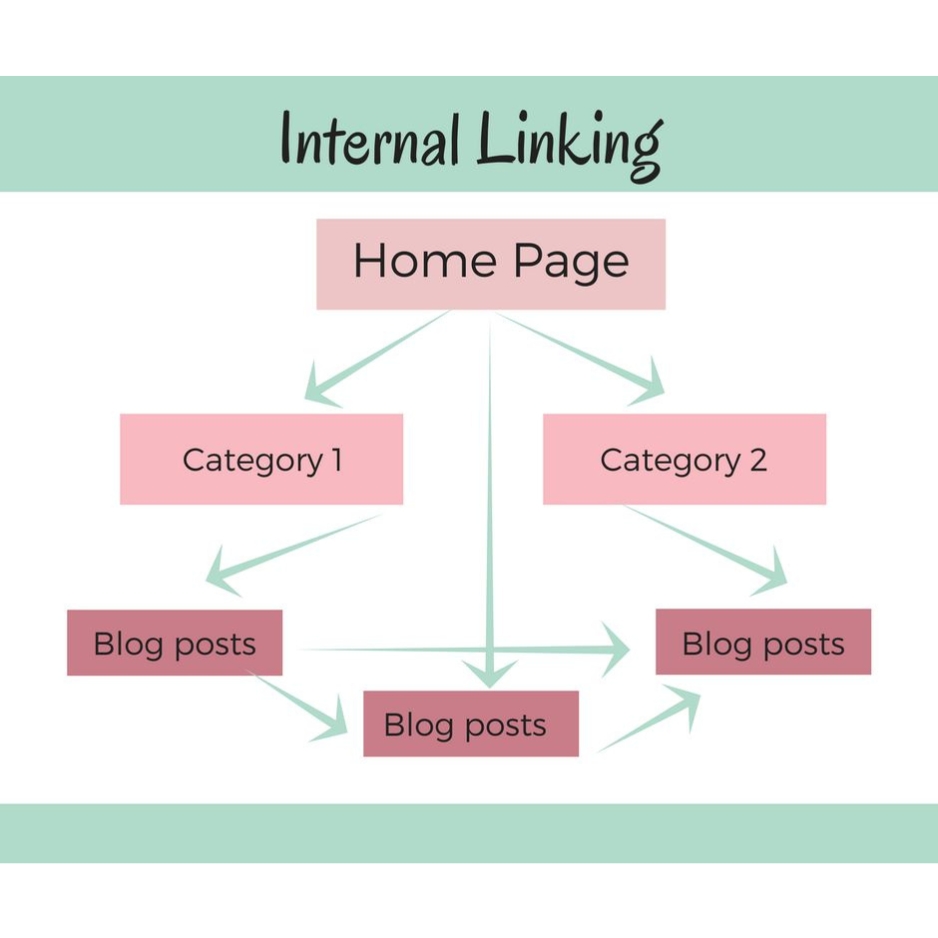
7. Internal Linking
Internal links connect one page of your website to another related page.
➜ Internal Link: A link that points to another page on the same website.
Internal linking helps users find related information and improves website navigation.
8. Image Optimization
Images should be optimized for faster loading and better SEO performance.
➜ Alt Text: A short description added to an image so search engines can understand it.
Using descriptive file names and alt text can improve image visibility in search results.
Final Thoughts
On-Page SEO is all about making your website easy to understand for both users and search engines. By optimizing keywords, content, titles, headings, images, URLs, and internal links, you can improve your website’s visibility and attract more organic traffic over time.
Even small improvements in On-Page SEO can make a big difference in your search rankings and overall website performance.
Conclusion
When a user searches for a topic on Google, search engines analyze the website’s content and structure. If On-Page SEO is implemented properly, it becomes easier for search engines to understand the website, which increases its chances of appearing in search results. That’s why it is very important to focus on elements such as Keyword Research, Title Tags, Meta Descriptions, Internal Linking, and Image Optimization.
